Pitfalls Guide

New to reptiles? Avoid these 5 pitfalls first

The highest-frequency failures from real beginners: "week pets", heating disasters, arrival stress, wrong substrate and legal red lines. Each one comes with concrete checks and actions.

Healthy leopard gecko
1 · Buying

Beware "week pets" and animals that do not match the listing

The classic failure: the animal looks lively and beautiful on arrival, then suddenly refuses food, loses weight, or dies within about a week. These "week pets" are usually sick weak hatchlings, or individuals that never recovered from shipping stress. Before you order, do three things:

  • Ask for a live feeding video: a seller who "cannot" video the animal or "is too busy" — move on. Someone who actually holds the animal can film it in one minute.
  • Check eyes, tail base and vent: eyes not sunken or swollen, tail base plump, vent clean with no redness or stuck waste. Tick each item off the Healthy-Animal Checklist.
  • Compare price against age and size: a "bargain" far below market price is usually sick, inbred or mis-aged.
Film the unboxing from label to animal, and keep the footage until the animal eats. If something is wrong, the unboxing video is the only hard evidence a seller accepts.
Run the Healthy-Animal Checklist
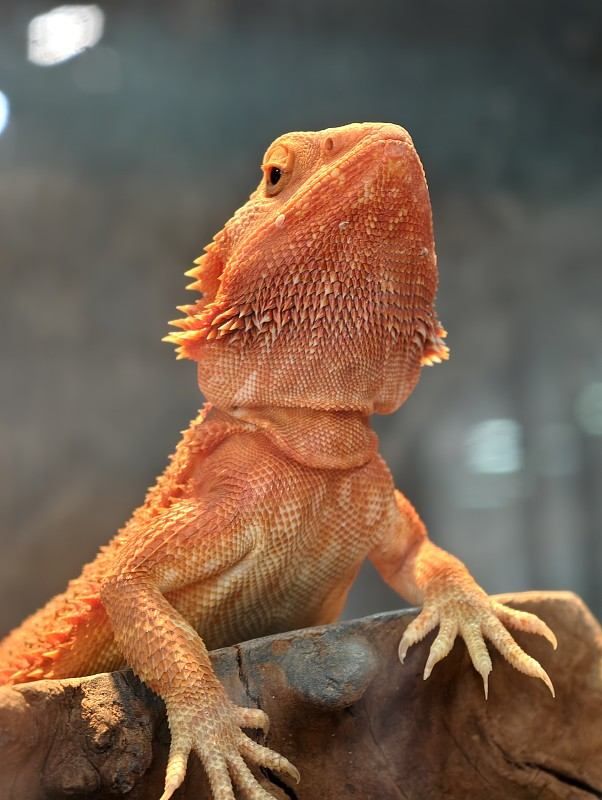
Bearded dragon needs regulated heating
2 · Heating

Heating and thermostats: never let equipment "run naked"

Low-temperature burns, overheated tanks, melted enclosures — every year beginners lose animals or nearly start fires. The iron rule: every heat source goes through a thermostat, and a separate thermometer cross-checks it.

  • Place the heat mat on the side or back, covering no more than half the floor — never directly under the tank bottom, where the animal lies on it and slowly burns.
  • Give every device its own thermostat with an upper limit. The probe sits where the animal actually rests — not dangling, not touching the mat.
  • Keep a cool zone: about one-third of the enclosure should stay cooler so the animal can escape the heat and choose its own temperature.
  • Winter: use a ceramic heat emitter (no light) as the main source, keep the gradient alive, and plan for power outages with backup heat.
A thermostat costs about the same as a pizza and prevents a vet bill, a dead pet, and a fire hazard. Treat it as standard equipment, not an upgrade.
Run the Heating Safety Checklist
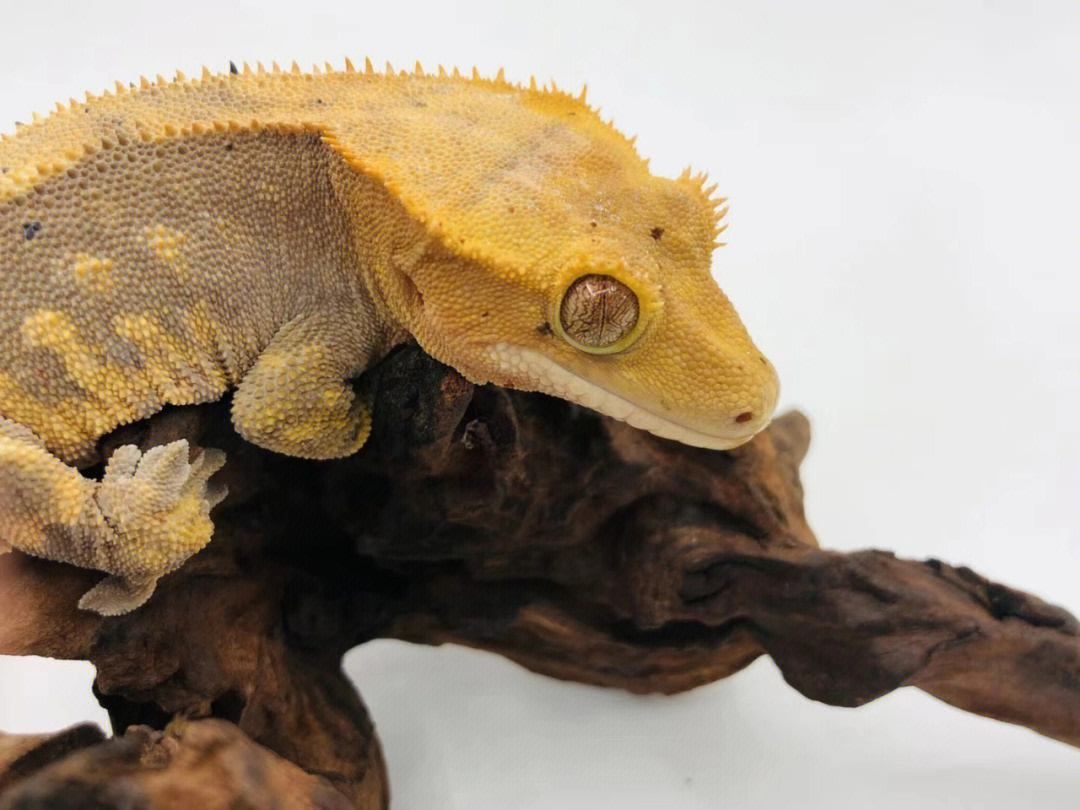
Crested gecko needs quiet settling time
3 · Arrival

The first 7 days are the survival line

Many beginners rush to feed, handle, photograph and clean the moment the pet arrives — and the more enthusiastic they are, the faster it dies. The biggest enemy of a new arrival is not hunger; it is stress. The right rhythm:

  • First 48 hours: quiet rest. No feeding, no handling, no moving, no repeated lid-lifting.
  • Set the environment first: hides and water bowl in place, warm-zone temperature at the species target, then let the animal in.
  • Days 3–5: watch droppings and behaviour; when normal, try the first meal with prey one size smaller, then leave it alone.
  • Minimal handling for a week: handling is the number one stress source. Weigh once on day 7 as your baseline.
Run the 7-Day Arrival Checklist like a procedure — it beats enthusiasm every time.
Use the 7-Day Arrival Checklist
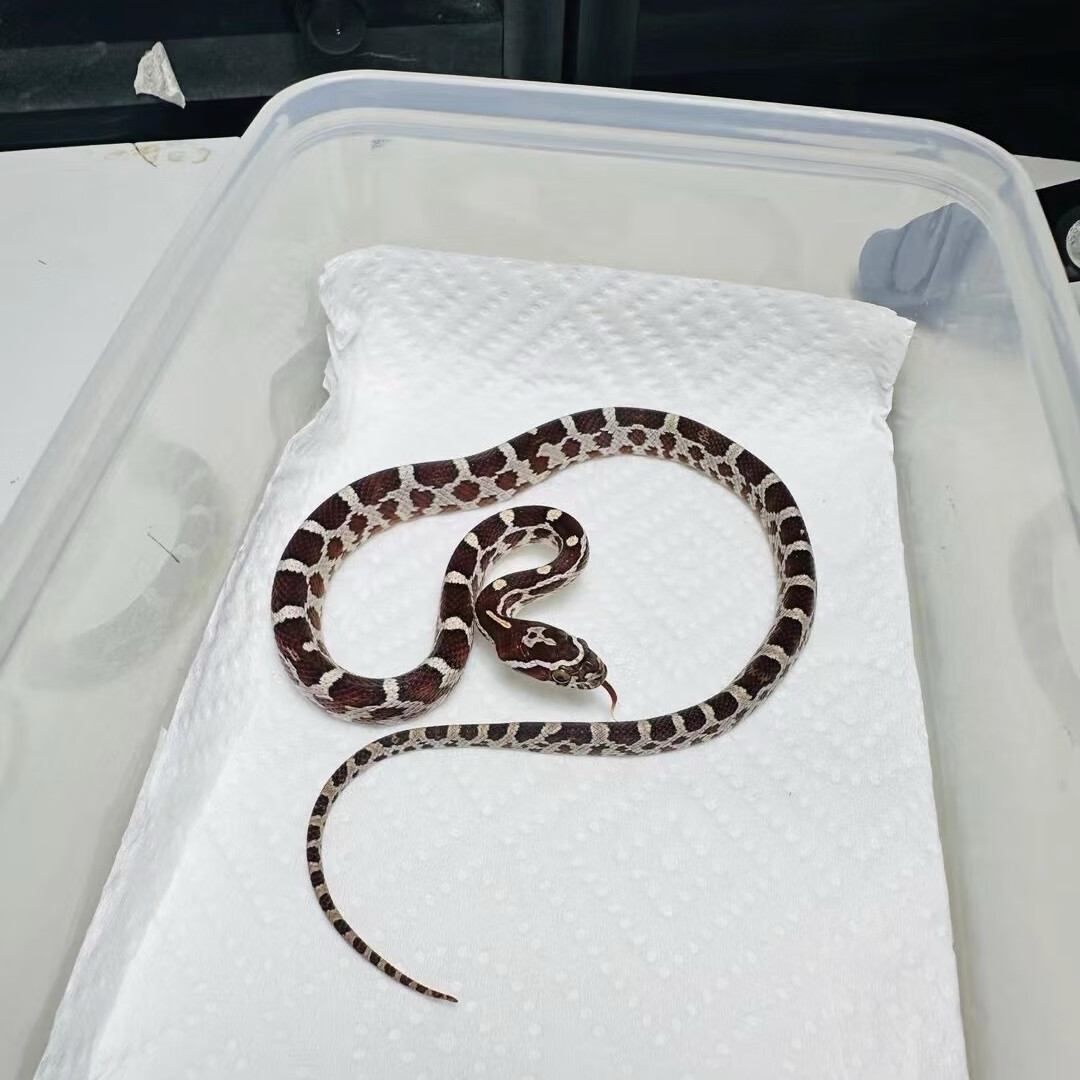
Corn snake substrate choice
4 · Substrate

Wrong substrate is like "pouring cement"

The safest substrate for juveniles and new arrivals is always paper towel / unprinted paper: cheap, easy to monitor, zero ingestion risk. Move to naturalistic substrates only after the animal is eating reliably and is an adult.

  • Black list: reptile sand (especially for juveniles). Insects carry sand in; one bug, one mouthful of sand; swallowed sand forms a blockage in the gut — the famous "cement" — with a very high death rate. Actively hunting lizards like bearded dragons are at the highest risk.
  • Yellow list: newspaper and puppy pads. Easy to monitor but slippery; fine for short-term quarantine, not great for joints long-term.
  • Green list: soil mixes, coco coir, aspen shavings. Common for adult setups; spot-clean regularly and fully replace about every three months.
Do not replace the whole substrate daily — destroying the scent scape leaves the animal feeling insecure. Spot-clean instead.
Use the Substrate Selector by species